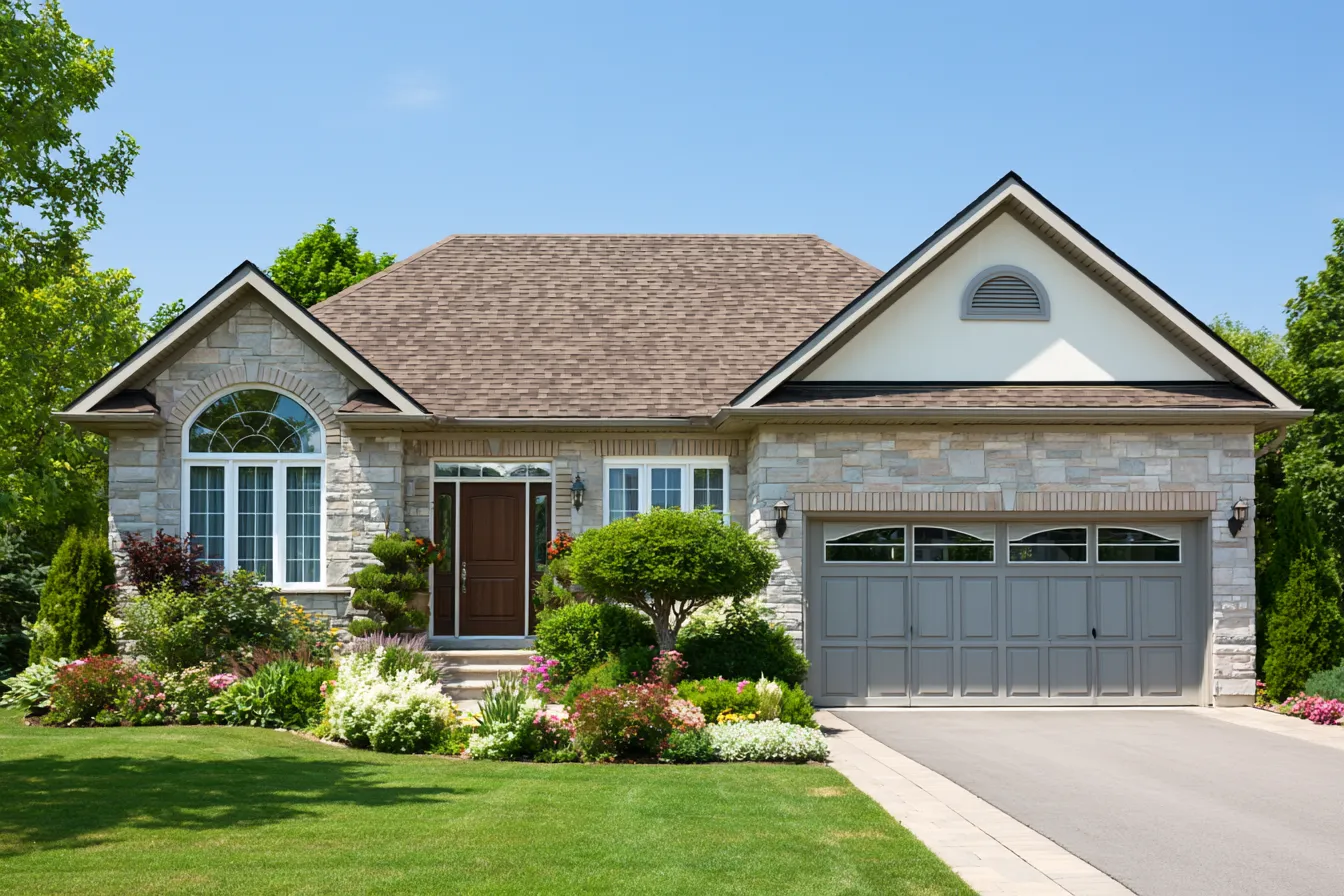
Asphalt Shingle Roofing in Aubrey, TX
Two asphalt roofs can carry the same shingle at the same price and wear out a decade apart, and Aubrey Roofing Co exists to make the difference visible before you buy either.
The layers under the roof surface
The shingle is the part you can see and the smallest part of the answer. Underneath it sit the deck, the underlayment, the ice and water membrane at the vulnerable joints, the drip edge at the perimeter and the metal at every valley and wall. Water almost never gets past a shingle in the middle of a slope; it gets in where two planes meet, where something penetrates the surface, or where the edge was finished badly.
Take one street in Aubrey where the whole block went up in the same season. Fifteen years on, the roofs that are struggling are not the ones with the cheaper shingle. They are the ones where the valley metal was skimped, or the soffit vents were painted shut, or the drip edge was left off to save an afternoon.
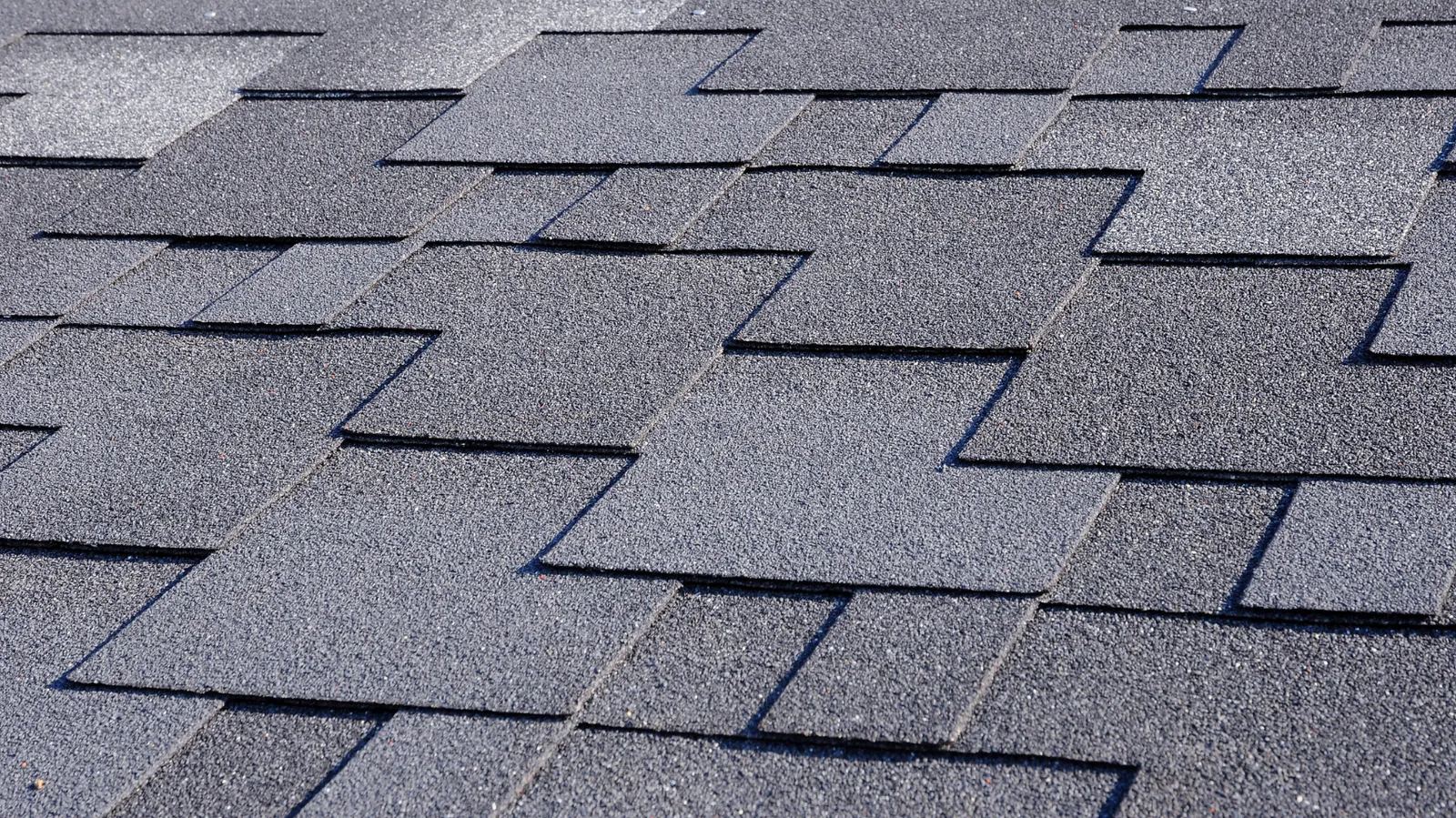
The full scope of Aubrey asphalt shingle roofing
The lines an estimate should name, because each one is a place where a corner disappears under the next layer. Take them in the order the roof is built.
- 01The deck
- Inspected once the old covering is off, with soft or delaminated sheathing replaced by the sheet. Nothing above it performs if this is wrong.
- 02Underlayment and membrane
- The layer that carries water off the deck if anything gets past the shingles. Self-adhering membrane goes at valleys and penetrations, where it most often does.
- 03Drip edge and edge metal
- Metal at the eaves and rakes that sends water into the gutter instead of behind the fascia. Cheap, quick, and one of the most commonly skipped items on a roof.
- 04Valleys, flashing and penetrations
- Every place the plane is interrupted. Most leaks on a young roof start at one of these rather than in the field.
- 05Ventilation, both halves
- Intake low at the soffit and exhaust high near the ridge, working as one system. Exhaust with no intake to feed it moves very little air.
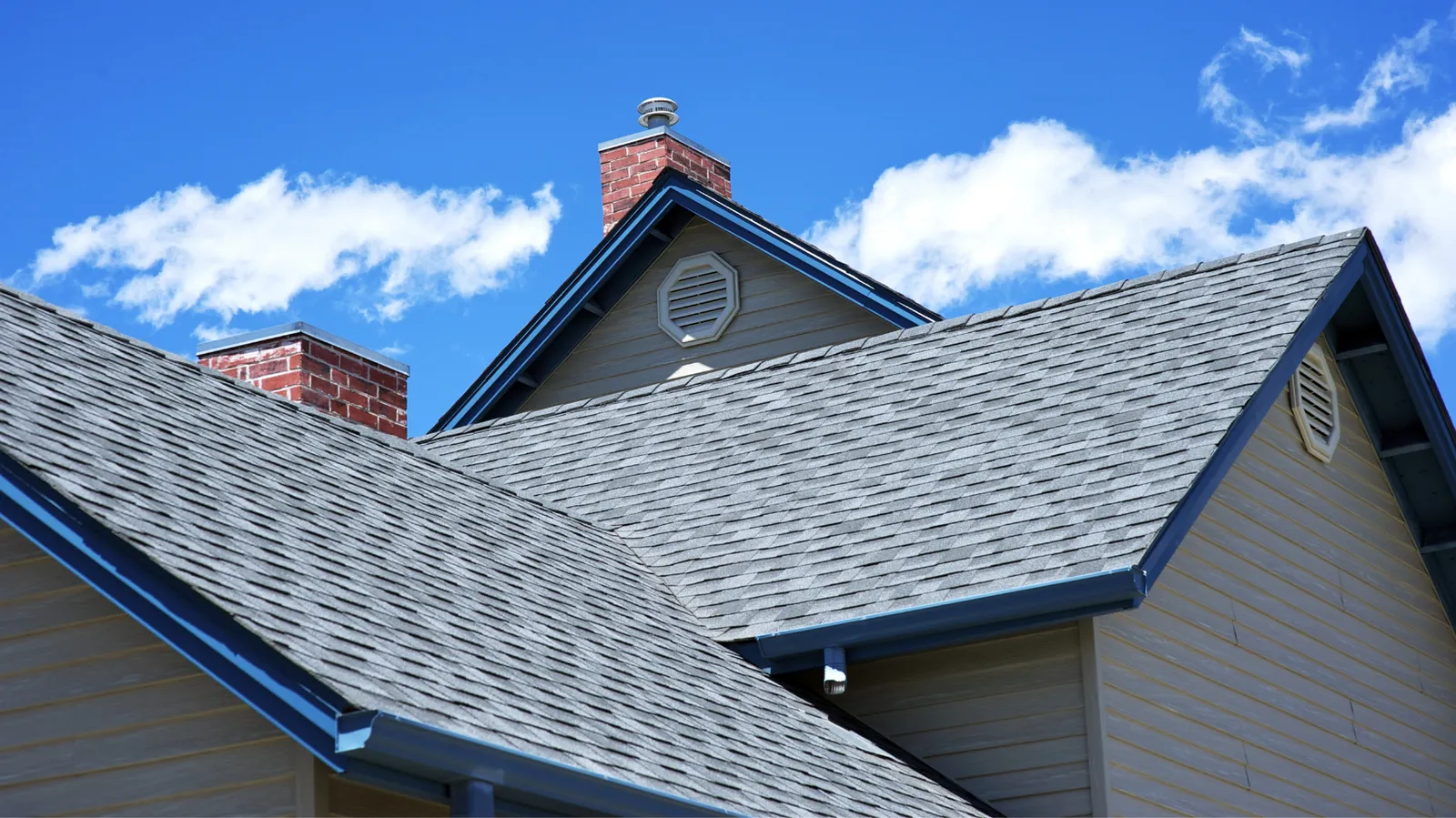
The system under the shingle
Attic airflow is the part homeowners hear least about and the part that quietly decides service life. A working attic takes cool air in low at the soffits and lets hot air out high near the ridge, and the two halves have to be in balance. Add ridge vents without opening the intake and the system pulls air from inside the house. In a North Texas summer that matters more than it sounds. A poorly ventilated attic bakes the underside of the deck and the shingles above it, and asphalt that spends fifteen summers overheating gives up its granules and its flexibility years early. People blame the roof surface. The cause was the airflow.
- 01Intake is the half that gets forgotten
- Soffit vents get painted over, insulated across, or were never cut in. Exhaust is visible from the street; intake is not.
None of this is visible from the driveway, and none of it shows up in a price per square.
What a 2010s deck usually turns out to be
Q1What does a 2010s deck usually turn out to be?
Q2Do I need new underlayment if the old one looks fine?
Q3How can I tell whether the last roofer skipped the edges?
Q4Is more attic ventilation always better?
Q5Who stands behind the installation?
Get your Aubrey shingle roof priced
Send the address and a local roofer looks at the deck, the edges, the valleys and the attic, and photographs each one so you can see what you are buying. Nothing gets priced until that walk is done, and there is no pressure either way. Ask any roofer bidding your job to name those lines on the estimate, and compare the bids on those lines instead of on the shingle.