Serving AubreyFree inspections
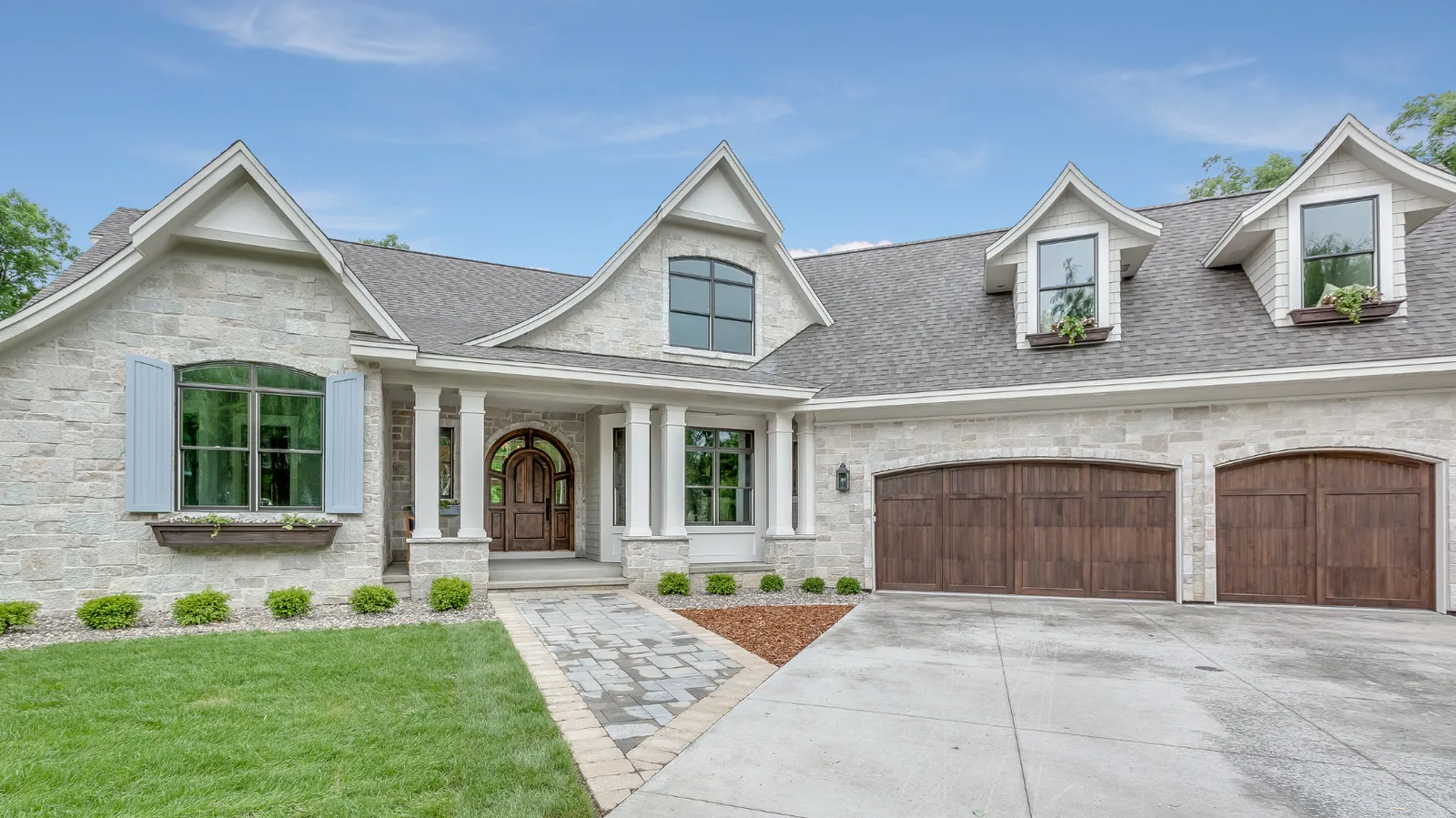
Blue shuttered light stone home beneath a gray architectural shingle roof

Roofing Materials in Aubrey, TX

You are weighing roofing materials for an Aubrey, TX roof and every option sounds reasonable in a brochure. What settles it is the roof you actually have: its pitch, its deck and how long you plan to keep it.

Get your estimate
What narrows the field

Slope, then everything else

Before taste enters the conversation, the pitch of the roof has already ruled several materials out. Steep planes shed water fast and suit shingles that overlap, which is most of what goes on a house here. Low-slope sections hold water long enough that overlapping pieces leak, so those areas need a membrane whatever the rest of the roof is wearing.

Plenty of houses in Aubrey have both, which is why a porch or an addition sometimes carries a different system from the main roof and always should. That is the opposite of how most people decide. They start from appearance and price, discover the constraint late, and end up with an estimate that changed shape after somebody finally measured. Starting from the slope narrows the field before anybody quotes it, and costs nothing.
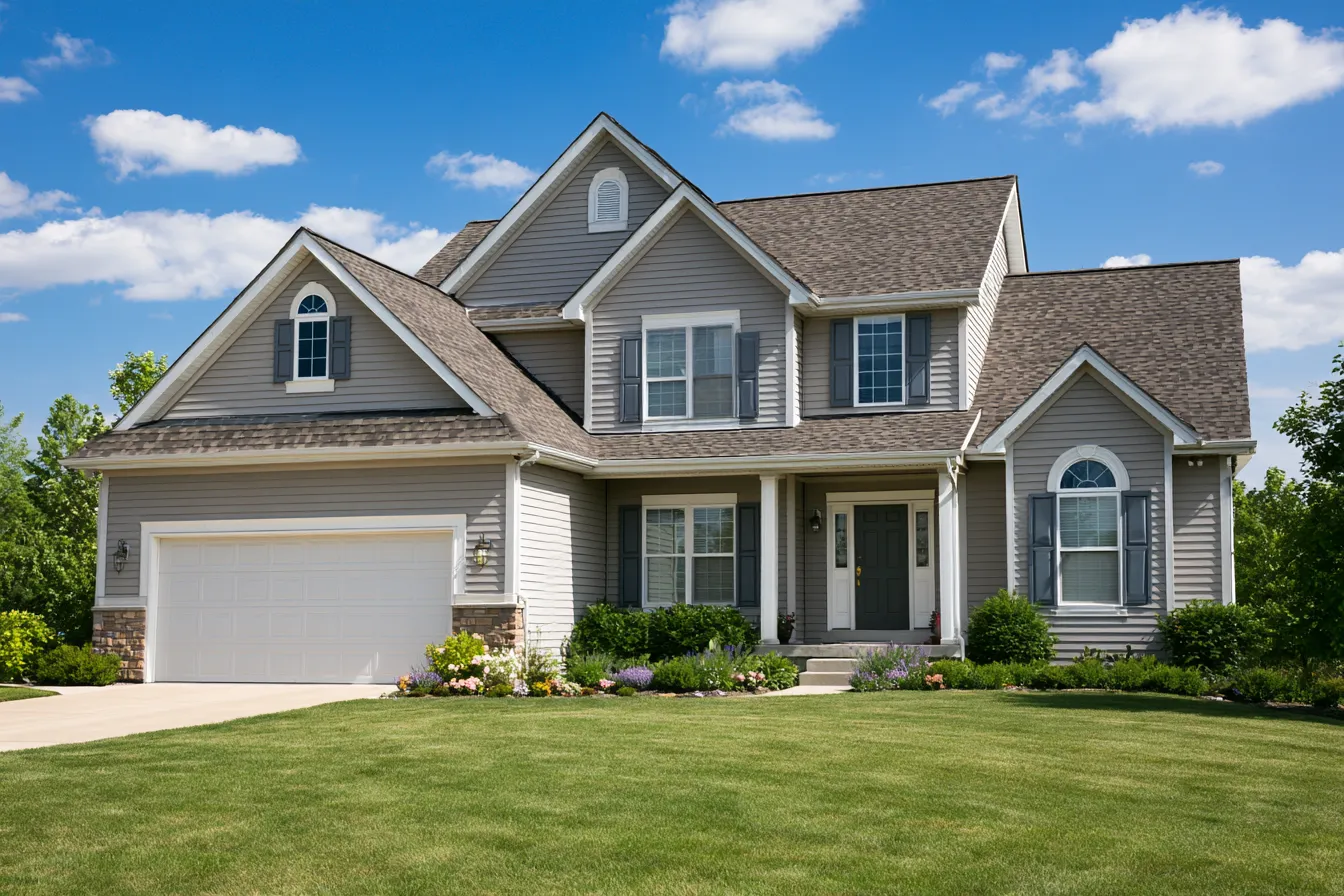
Brown asphalt shingle roof and white garage door on a gray two-story house

The coverings that make sense here

Service lives are published ranges, and every one of them assumes the covering was installed properly onto a sound deck. Read the four below against your own slope.

01

Architectural Asphalt

LifeCommonly 20 to 30 years
SlopeSteep planes
NoteThe default on nearly every roof here
02

Impact-Rated Asphalt

LifeAs architectural, better under hail
SlopeSteep planes
NoteAsk your carrier about a discount
03

Standing Seam Metal

LifeCommonly 40 to 70 years
SlopeSteep, and some low-slope profiles
NoteDents in hail, keeps working
04

Membrane, low-slope

LifeVaries by system
SlopePorches, additions, flat sections
NoteNot optional where the pitch is shallow

* Exact warranty and insurance figures depend on the product and the carrier, and everything is confirmed in writing before the work starts. Manufacturer coverage follows the installed system.

What the slope decides before anything else

The same four coverings, judged against what this county does to a roof. The table sets them side by side.

Covering
What hail does to it
What it asks of you later
Architectural asphalt
Bruises the mat and strips granules, frequently without leaking
Nothing routine, and a walk after a serious storm
Impact-rated asphalt
Resists the stone that would bruise the grade beside it
The same, plus a conversation with your carrier
Standing seam metal
Dents visibly and usually keeps shedding water
Sealant at penetrations, checked periodically
Low-slope membrane
Takes hail poorly where it is already ponding
Drainage kept clear, seams looked at
Questions

How each covering answers hail

Q1What is the best roofing material for Texas weather?
For a steep residential roof in a hail county, impact-rated asphalt is the answer that fits most budgets and most houses, and standing seam metal is the answer if you are staying long enough to collect on its service life. Neither is best in the abstract. The variables that decide it are your slope, how long the house stays yours, and what your carrier does about impact resistance.
Q2How does asphalt compare with metal?
Asphalt is cheaper up front and shorter-lived, hides hail damage until it fails, and is what nearly every roof here already wears. Metal costs substantially more up front, lasts decades longer, dents where asphalt bruises, and is only a good deal if you are there for the years it takes to pay back. Anyone who tells you one of them wins outright is not asking how long you are staying.
Q3Can I put metal on part of the roof and asphalt on the rest?
Mixing materials happens, usually where a low-slope porch needs a different system anyway, and it is a legitimate solution to a real constraint. Doing it across two steep planes for appearance is a different matter: it complicates the detailing where the two meet, and that junction is where it will eventually leak.
Q4Does the material change what the deck needs?
The deck has to be sound whatever goes on it, and metal is the least forgiving of a wavy one because panels telegraph what is underneath. Any covering laid over soft sheathing fails early no matter what it cost, which is why the decking line belongs on the estimate before the material is chosen.
Q5How do I compare estimates that name different materials?
Ask for them by the square, with tear-off, decking rate and the covering listed separately. Once the lines match up, the comparison stops being about brochures and starts being about the same roof measured the same way.
Start with the measurement

Compare roofing materials for an Aubrey roof

Send the address and a local roofer measures the planes, notes where the pitch changes, and prices the coverings that suit them side by side. Comparing options commits you to nothing, and comparing is not deciding. Take the figures away and think it over.

The slope narrows the field first.Each covering gets its own line.You decide how long you are staying.
Get your estimateFree, and the report comes from standing on the roof.
Call Free Quote