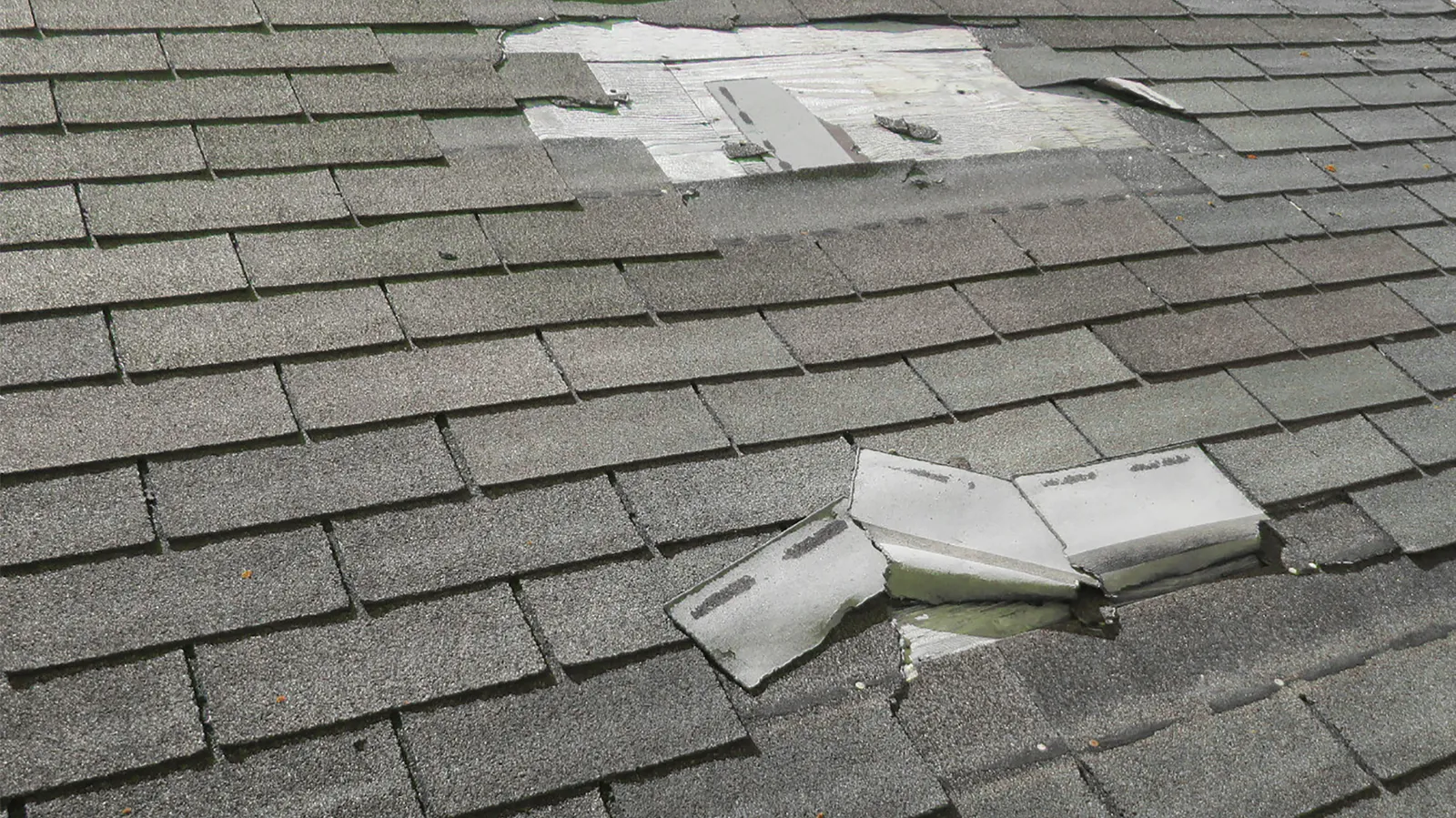
Most roofs in Aubrey went on around 2011, which means a lot of them are still inside a manufacturer warranty term. So when hail comes through and a neighbor mentions their roof was covered, the natural thought is that the warranty will handle it. It will not, and the reason is worth understanding before a storm rather than during one.
A warranty covers the product, not the weather
A manufacturer warranty is a promise about the shingle itself: that it left the factory without a defect and will perform as specified for a stated term. Hail is an outside force acting on a product that was fine before it landed. Nothing about a stone falling out of the sky says anything about whether the shingle was properly made, so the warranty has no reason to respond and does not.
This trips people up because the timing feels wrong. A roof four years into a thirty-year term looks like it should be covered for anything. What that term actually promises is a long life in ordinary conditions, and a hail county is not ordinary conditions.
The two warranties, and what each one answers
There are two on any roof and they belong to different parties. The material warranty comes from the manufacturer and covers defects in the product. The workmanship warranty comes from the roofer who installed it and covers how the material was installed: fasteners, flashing, valleys, penetrations.
Between them they answer a lot of questions. Shingles blistering across a slope for no external reason is a material question. Water entering at a valley that was detailed badly is a workmanship question. A roof pitted from a spring storm is neither, and that is the whole point of this article.
What does answer hail
Insurance does, and how well it answers depends on your policy rather than on your roof's age. A replacement-cost policy pays what it takes to put the roof back, usually in two parts: a first payment less depreciation, and the withheld portion released once the work is done and invoiced. An actual-cash-value policy pays replacement cost minus depreciation once, and that depreciation does not come back. Some carriers also apply an age-based roof schedule that settles an older roof surface at a share of replacement.
On housing built in the 2010s this is mostly good news. Depreciation on a roof surface that is a third of the way through its life is a smaller bite than on one that is nearly finished. The declarations page names which policy you hold, and reading it before the next storm is a quiet half hour that pays for itself.
Where the two can collide
One place they meet is repair work. A repair done outside the terms, or an installation through the shingles that nobody registered, can affect what a manufacturer will honor later. A satellite mount screwed through shingles is the classic example, and it is usually done by somebody who has no idea it matters.
The other place is timing. A hail claim runs from a date of loss, and the further you get from that date, the harder it becomes to separate one storm's damage from general wear. A dated record of the roof's condition, made early, is what keeps the two conversations from blurring into each other.
Not sure whether what you are looking at is a warranty question or a claim question? Send Aubrey Roofing Co the address, or call (940) 290-6428 and describe what you have noticed. A local roofer walks it, photographs what is up there and dates it, at no charge. What you do with the record afterwards is yours to decide.
Contact us